Iran signals end to Israel strikes as Trump pushes ceasefire deal
Iran declared an end to its military operations against Israel on Monday, as US President Donald Trump said both sides were moving toward an immediate ceasefire. The exchange of fire threatened to derail peace negotiations, with Lebanon emerging as a key sticking point.
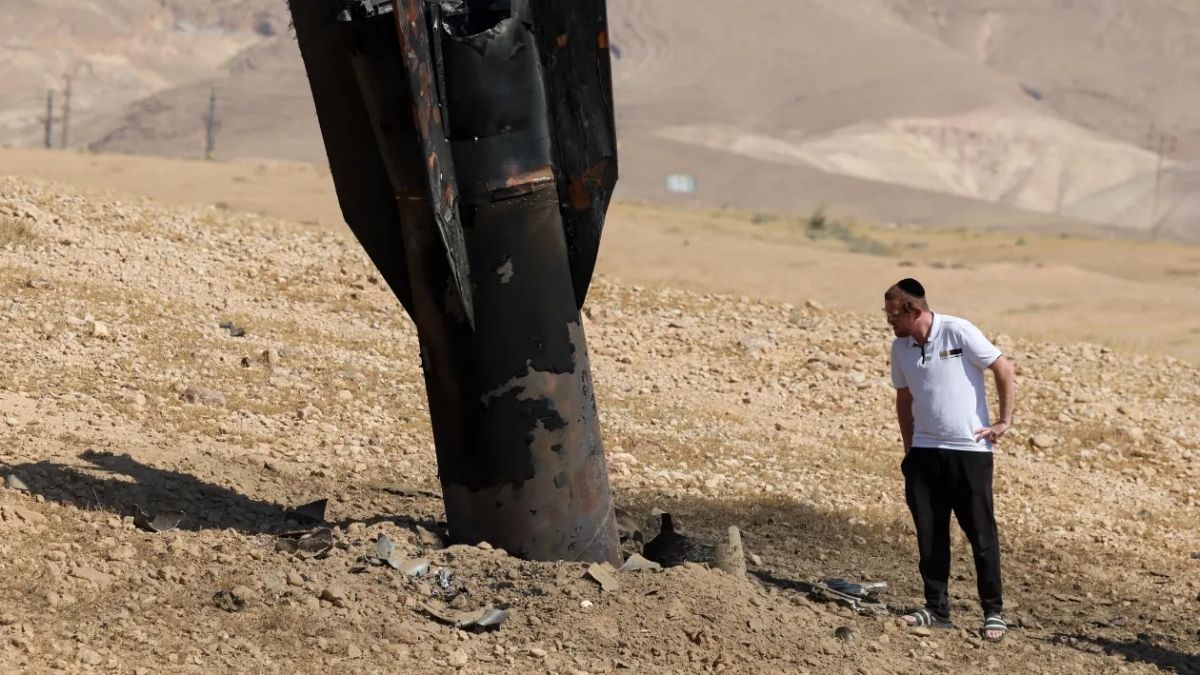
- Iran declared an end to operations against Israel but warned of harsher retaliation if strikes on Lebanon continued.
- Trump said a deal with Iran could be finalised within days, with the Strait of Hormuz reopening upon agreement.
- Israel continued strikes on southern Lebanon, with casualty figures rising amid parallel ceasefire diplomacy.

Iran and Israel traded missile and air strikes over Sunday and Monday before Iran's military declared an end to its operations, as US President Donald Trump pressed both sides to halt hostilities and said a wider peace deal could be concluded within days.
Iran's armed forces said they had delivered what they described as a "painful response" to Israel following Israeli air strikes on military targets in western and central Iran. Tehran warned that should Israel continue attacking, including in southern Lebanon, "much harsher and more crushing actions" would follow, according to the semi-official Fars news agency.
Israeli Prime Minister Benjamin Netanyahu said in a televised statement on Monday that Israel was holding fire "at the moment," but stressed the struggle against Iran and Iran-backed Hezbollah in Lebanon was "not finished."
Trump told journalists on Tuesday that ceasefire negotiations were in their "final throes" and that a deal could take "two or three days." He added that the Strait of Hormuz would reopen immediately upon agreement.
In a separate Truth Social post on 8 June 2026, Trump issued a blunt public demand, writing: "Israel and Iran must immediately stop 'shooting.'"
The exchange of fire began on Sunday when Iran launched ballistic missiles at Israel in retaliation for Israeli strikes on Beirut, the Lebanese capital. Israel responded in the early hours of Monday by targeting what it described as military sites inside Iran, including a petrochemical complex in the south-western Iranian city of Mahshahr.
Iran's Emergency Organisation chief Jafar Miadfar told the Tasnim news agency that the Mahshahr strikes injured 14 people, with one additional person injured in Tehran.
Trump denied that Netanyahu had defied him by ordering the strikes, telling the BBC that the missiles were "already on their way" when the two leaders spoke. He nonetheless told Netanyahu to "use common sense," citing the proximity of a deal with Tehran. Trump also told Axios he had warned Netanyahu directly: "Bibi, you better be careful, or you will be on your own very soon."
An Israeli official confirmed that Israel had halted its strikes following Trump's request. In his statement, Netanyahu said he had told Trump that "Israel has a full right to self-defence, and we are exercising it as required."
Trump also said he had previously told the Financial Times that Netanyahu would have no choice but to accept whatever deal Washington secured with Iran. "I call all the shots. He doesn't call the shots," he was quoted as saying.
Iran's top negotiator Mohammad Baqer Qalibaf said in a Telegram post on Monday evening that ceasefire violations and the US naval blockade of Iranian ports had been the cause of recent tensions. He added that Iran would "fight on our own time and negotiate on our own time."
Israel's ambassador to the US, Yechiel Leiter, stated that "no self-respecting country in the world would tolerate such an attack, and neither will Israel." Leiter separately told Fox News that US-Iran negotiations had "nothing to do with Lebanon," accusing Tehran of attempting to link the two issues.
Lebanon remained the central sticking point in ceasefire diplomacy. Iran's decision to strike Israel in retaliation for Israeli attacks on Beirut was described by analysts as a rare and deliberate demonstration that Tehran would enforce its red line on the Lebanese capital.
Senior fellow at the Center for International Policy Negar Mortazavi told Al Jazeera that Tehran had been tolerating Israeli strikes on southern Lebanon but drew a firm line at Beirut, and had now proven the warning was not an empty threat.
Israel continued to conduct air strikes in southern Lebanon on Monday, even as the exchange of fire with Iran wound down. The Lebanese health ministry said five people were killed and eight wounded in an Israeli strike on Tyre. Civil defence officials told Al Jazeera Arabic that at least eight people were killed in a strike on a residential area in the city. The Red Cross said four of its rescuers were among the injured in the strike near Tyre.
Israeli forces also issued forced displacement orders for Tyre, including for the city's Christian quarter, alleging that Hezbollah fighters were operating there. Lebanese civil defence workers were evacuating elderly residents to safer locations.
Hezbollah said it had fired rockets at Israeli army vehicles and soldiers in southern Lebanon on Monday morning. Iran had warned that further Israeli strikes in Lebanon would draw a direct Iranian military response.
Pakistan has been playing a mediating role between Washington and Tehran. Lebanon's army chief Rodolphe Haykal met his Pakistani counterpart Asim Munir in Rawalpindi, where both sides discussed regional security and defence cooperation. Tehran has insisted that any final deal must also address the conflict in Lebanon.
Military historian Danny Orbach told Israeli media that Israel's decision to strike Iran despite Trump's calls for restraint was intended to signal to Washington that no lasting agreement with Tehran could ignore Israeli security interests. Israeli commentators and military analysts debated whether Netanyahu should prioritise those interests even at the cost of defying the US publicly.
A US Army Apache helicopter with two crew members also went down in the Strait of Hormuz during the period of hostilities. Trump confirmed the crew were safe and said there were no injuries, though he provided no details on the cause. The New York Times reported the crew were safely rescued.
The broader war began on 28 February 2026, when the US and Israel launched a joint operation against Iran, killing Supreme Leader Ayatollah Ali Khamenei and several senior officials. Iran retaliated with missiles and drones targeting Israel and Gulf Arab states hosting US military facilities, and effectively blocked the Strait of Hormuz, sending oil prices sharply higher.
Lebanon was drawn into the conflict on 2 March 2026, when Hezbollah launched rockets into Israel following Khamenei's killing. Israel responded with air strikes and a ground invasion of southern Lebanon. A US-brokered ceasefire between the Israeli and Lebanese governments has failed to hold, with Hezbollah rejecting the agreement pending a full Israeli withdrawal.
According to Iran's Martyrs Foundation, at least 3,468 people have been killed in Iran since the war began. Iran's Human Rights Activists News Agency (HRANA) put the toll from US and Israeli attacks at 3,636, including 1,701 civilians.
Lebanon's health ministry said 3,613 people have been killed in Israeli attacks, without distinguishing between combatants and civilians. Israeli authorities reported 20 civilians killed in Iranian missile strikes inside Israel, and four Palestinians killed in the occupied West Bank. Thirteen US service members have been killed in the conflict, seven of them in Iranian attacks in the Gulf.