
Facebook hosted nearly three-quarters of illegal wildlife trade listings, report finds
Nearly 266,000 wildlife products were advertised in more than 21,900 illegal online listings over two years, with almost three-quarters appearing on Facebook, according to a new report by the Global Initiative Against Transnational Organized Crime.
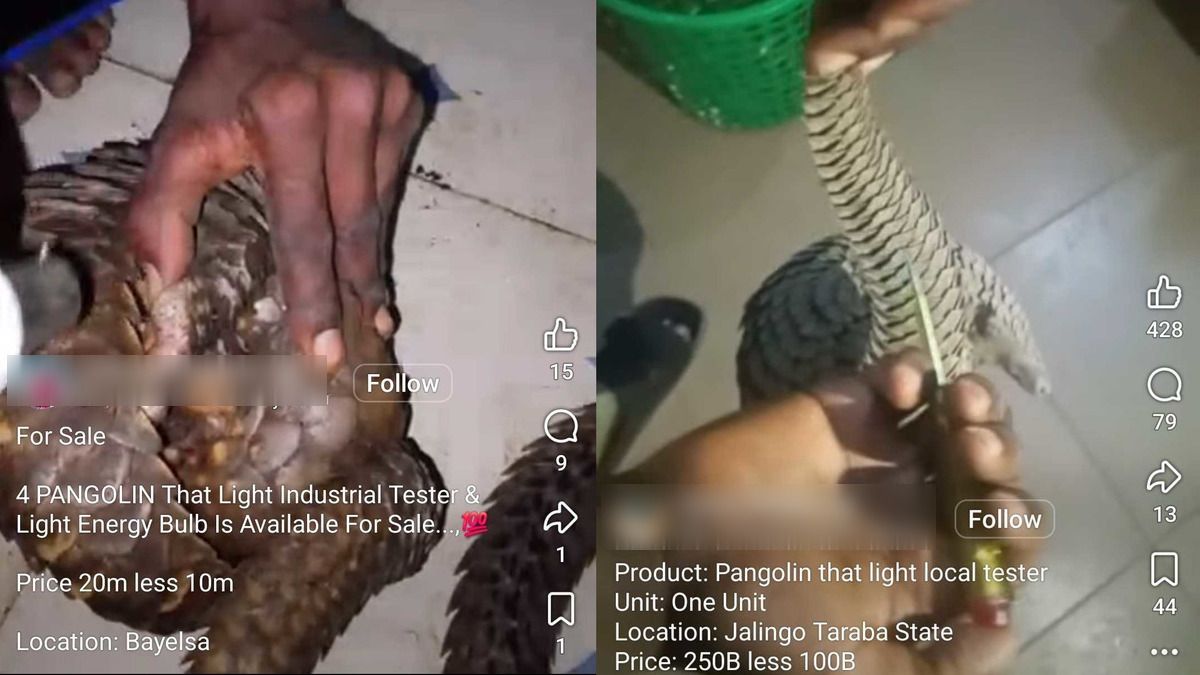
- More than 266,000 wildlife products were found in over 21,900 illegal online listings.
- Facebook hosted nearly three-quarters of the detected listings, the report found.
- Researchers called for stronger action to combat online wildlife trafficking.

More than 266,000 wildlife products were advertised in nearly 22,000 illegal wildlife trade listings across 61 online platforms over a two-year period, with almost three-quarters of the advertisements appearing on Facebook, according to new research by the Global Initiative Against Transnational Organized Crime (GI-TOC).
The findings have intensified concerns among conservation groups and anti-trafficking organisations, which argue that online platforms have become a major channel for the sale of endangered species and wildlife products during a period of growing global biodiversity loss.
The research, published by GI-TOC, describes Facebook as "the central public infrastructure through which online wildlife trafficking is being concentrated, discovered and scaled".
More than 266,000 wildlife products identified
The findings are based on data collected through GI-TOC's Global Monitoring System, an online wildlife trade monitoring programme operated in partnership with organisations including the International Fund for Animal Welfare and the Wildlife Trust of India.
Between 14 April 2024 and 1 March 2026, researchers recorded 21,904 advertisements linked to illegal wildlife trade. Those advertisements contained a total of 266,535 wildlife products listed across 61 online platforms.
The monitoring programme covered four continents and involved analytical hubs in countries including Thailand, Indonesia, India, Brazil, Mexico, South Africa, Nigeria and Cameroon.
Researchers monitored trade involving species protected under the Convention on International Trade in Endangered Species of Wild Fauna and Flora, as well as species listed as endangered or critically endangered by conservation authorities.
Facebook dominates detected activity
According to the report, Facebook accounted for 16,290 advertisements, representing 74.37 per cent of all wildlife trafficking listings identified during the monitoring period.
Researchers estimated that approximately 60 per cent of detected advertisements included prices. The combined advertised value of those listings exceeded US$66 million.
Of that amount, Facebook accounted for approximately US$65 million, representing 98.53 per cent of the total value identified by researchers.
The report states that Facebook was not simply one platform among many but had become the dominant infrastructure through which wildlife trafficking activity was being organised and expanded online.
Endangered species heavily represented
Researchers found that much of the detected activity involved highly protected wildlife.
According to the report, 84 per cent of Facebook detections were linked to species listed under CITES Appendix I, which includes some of the world's most strictly protected animals and plants.
A further 58.3 per cent involved species classified as endangered or critically endangered.
The monitoring programme tracked a range of frequently trafficked species, including pangolins, tigers, lions, sea turtles, rhinoceroses and elephants.
GI-TOC said these species were selected because of their conservation status, legal protections and importance to law-enforcement investigations into wildlife crime.
Algorithms and groups raise concerns
The report identified Facebook groups as the primary location for wildlife trafficking activity on the platform.
Groups accounted for 76 per cent of all Facebook detections recorded during the study period.
Researchers also found that 78 per cent of Facebook records were encountered without actively searching for them. Instead, the content appeared through recommendations, group activity and other forms of platform exposure.
According to the report, the findings suggest that algorithmic systems may be increasing the visibility of wildlife trafficking content and helping it reach wider audiences.
The report argues that group-based activity and recommendation systems play a significant role in how illegal wildlife trade content is discovered online.
Researchers call for stronger oversight
GI-TOC concluded that voluntary self-regulation by online platforms has not been sufficient to address the scale of illegal wildlife trafficking.
The organisation argues that stronger regulatory measures are needed to prevent the amplification of unlawful content and improve the detection of wildlife trafficking activity across multiple languages and regions.
The report recommends that regulators require platforms to strengthen moderation systems, improve transparency, enable independent oversight and remove illegal content more rapidly.
Researchers also called for greater international coordination, noting that wildlife trafficking networks often operate across national borders and use global digital platforms to connect suppliers and buyers.
Growing challenge for conservation efforts
The report describes illegal wildlife trade as a significant governance challenge with implications for biodiversity conservation, law enforcement and platform accountability.
GI-TOC argues that online wildlife trafficking can no longer be viewed as a marginal issue, given the scale of activity documented across digital platforms.
The organisation said the findings demonstrate the need for stronger action by both governments and technology companies to address a trade that increasingly operates through mainstream online services and reaches users across multiple countries.