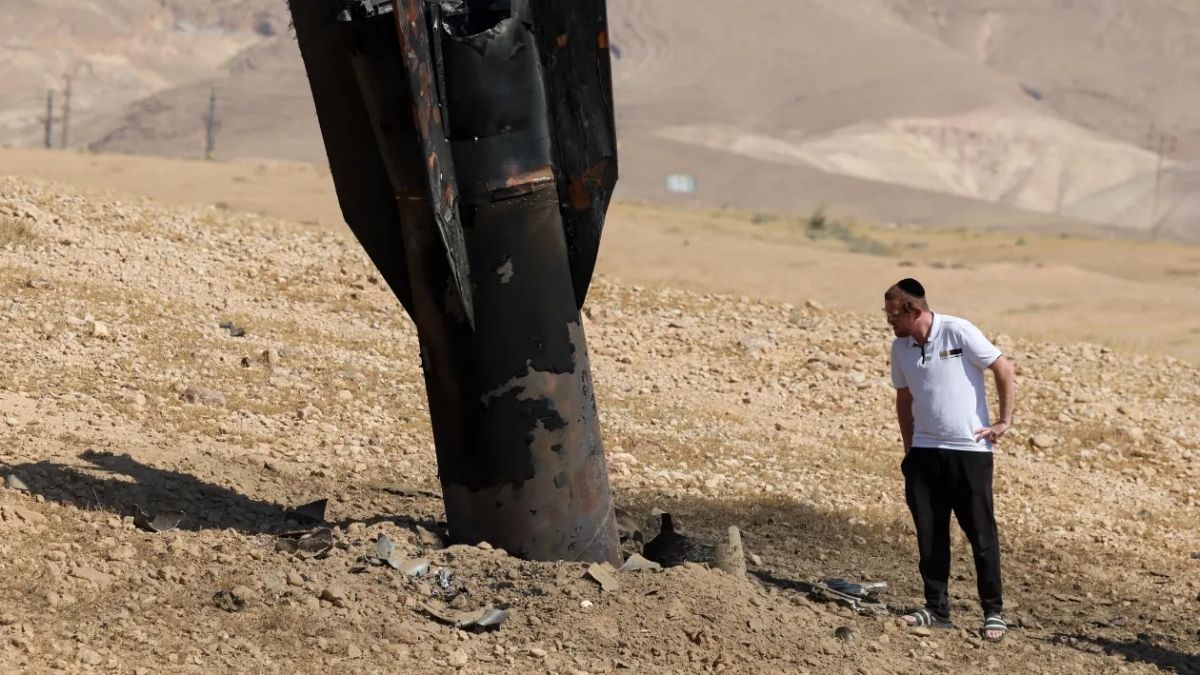
US strikes Iran after cargo ship attack in Strait of Hormuz, ceasefire in jeopardy
The US military struck Iranian missile and drone facilities on Friday after a drone attack on a cargo ship in the Strait of Hormuz, with both sides accusing the other of violating last week's ceasefire. Iran's Revolutionary Guards said they hit US military positions in response and warned that any further American strikes would draw a broader retaliation, putting the 17 June truce in serious doubt.
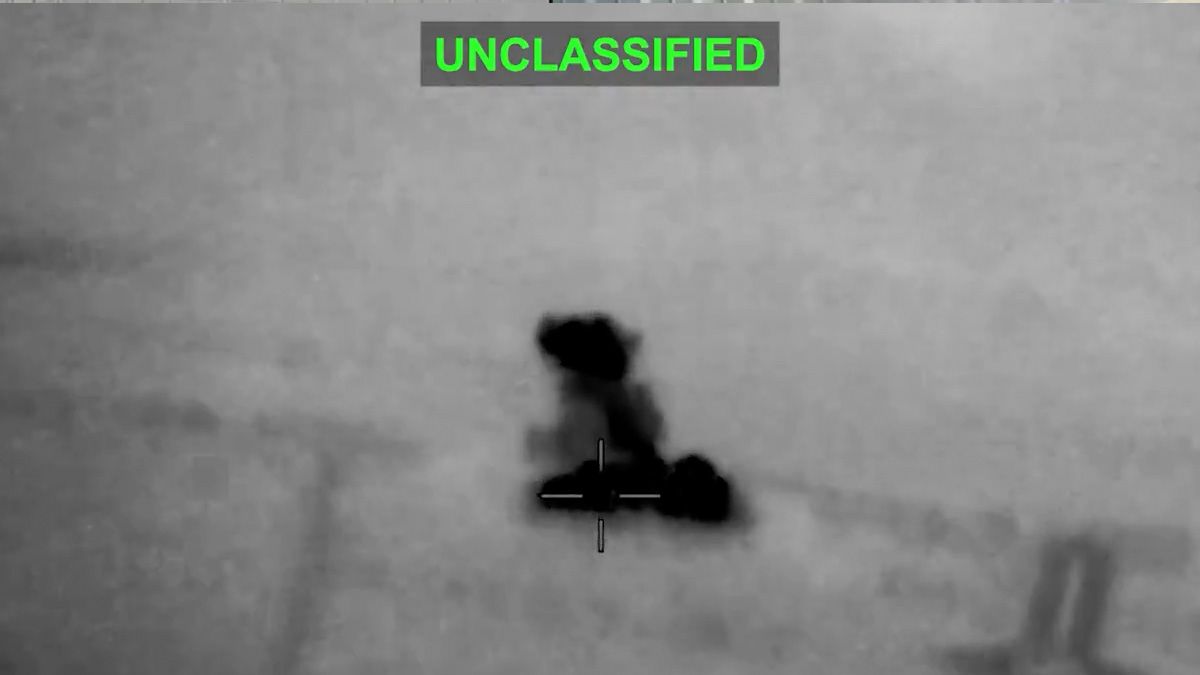

The US military launched strikes on Iranian missile and drone facilities on Friday after attacking a cargo ship in the Strait of Hormuz, with both sides accusing the other of violating a ceasefire agreed just last week.
US Central Command said aircraft hit missile and drone storage sites and coastal radar positions along Iran's southern coast, describing the operation as "a powerful response" to Thursday's drone strike on the Ever Lovely, a Singapore-flagged container vessel that was transiting the strait on a route approved by the UK Maritime Trade Operations authority.
The attack on the cargo ship had already upended a planned UN evacuation of more than 11,000 sailors stranded in the waterway since the US-Israel war on Iran began in late February.
Tehran, however, blamed the vessel for using what it called an unauthorised route. Iran's Islamic Revolutionary Guard Corps said its navy subsequently struck "the locations where the terrorist US military is stationed in the region" in retaliation, without specifying targets. The IRGC also warned that any further American strikes would draw a "broader" response.
The exchange marks the most serious breakdown yet of the 14-point memorandum of understanding signed on 17 June, under which Iran agreed to use its "best efforts for the safe passage of commercial vessels with no charge for 60 days."
Vice President JD Vance said Washington had honoured the agreement. "Iran signed a ceasefire agreement. We have honoured it. If they have disagreements about how the MOU is being applied, they can pick up the phone. But violence will be met with violence," he posted on X.
Iran's parliamentary national security chief Ebrahim Azizi pushed back, saying the US had "attacked Iran in the middle of negotiations once again" and that the "reckless violation" would lead to American "retreat and regret."
President Donald Trump, speaking at the White House on Friday, offered little clarity on next steps. "You'll find out," he told reporters when asked whether the ceasefire remained intact.
The conflict has had severe economic consequences. The Strait of Hormuz — through which roughly one-fifth of global oil and LNG supplies pass — has been effectively shut since late February, causing a spike in oil prices and disrupting fertiliser shipments.
Oil prices had been falling about 3% on Friday in response to the gradual resumption of tanker traffic before the latest exchange of fire. Saudi Aramco had also resumed crude loadings at its Ras Tanura terminal after a near four-month halt.
US Secretary of State Marco Rubio, concluding a Gulf tour, issued a joint statement with the Gulf Cooperation Council calling for "free, unconditional, and unrestricted navigation" through the strait without tolls or attempts by any party to assert control. Iran has insisted the strait should be governed jointly by Iran and Oman.
The flare-up comes even as some diplomatic progress was registered elsewhere: Israel and Lebanon signed a separate agreement on Friday to end fighting between Israel and Iran-backed Hezbollah, though Hezbollah said it would not cooperate with the deal.