Frontier AI forms small share of demand, Singapore to diversify providers
Frontier AI models like Fable and Mythos meet only niche needs, Minister for Digital Development and Information Josephine Teo says, as Singapore diversifies AI providers and reaffirms unchanged safeguards on government data used in AI tools.

- Frontier models like Fable and Mythos serve niche uses such as advanced research and cybersecurity, forming only a small share of overall AI demand, the Minister said.
- 1he Government will diversify across multiple AI providers for resilience, while continuing to advocate for an open, collaborative global AI ecosystem.
- On government data rules, the Minister did not detail specific new safeguards, citing a risk-calibrated approach unchanged since a written reply on 9 January 2024.

Frontier artificial intelligence models account for only a small proportion of overall AI demand in Singapore, Minister for Digital Development and Information Josephine Teo said in a written reply, as the Government set out its approach to securing access to cutting-edge Artificial Intelligence (AI) systems following a United States order barring foreign access to Anthropic's Fable and Mythos models.
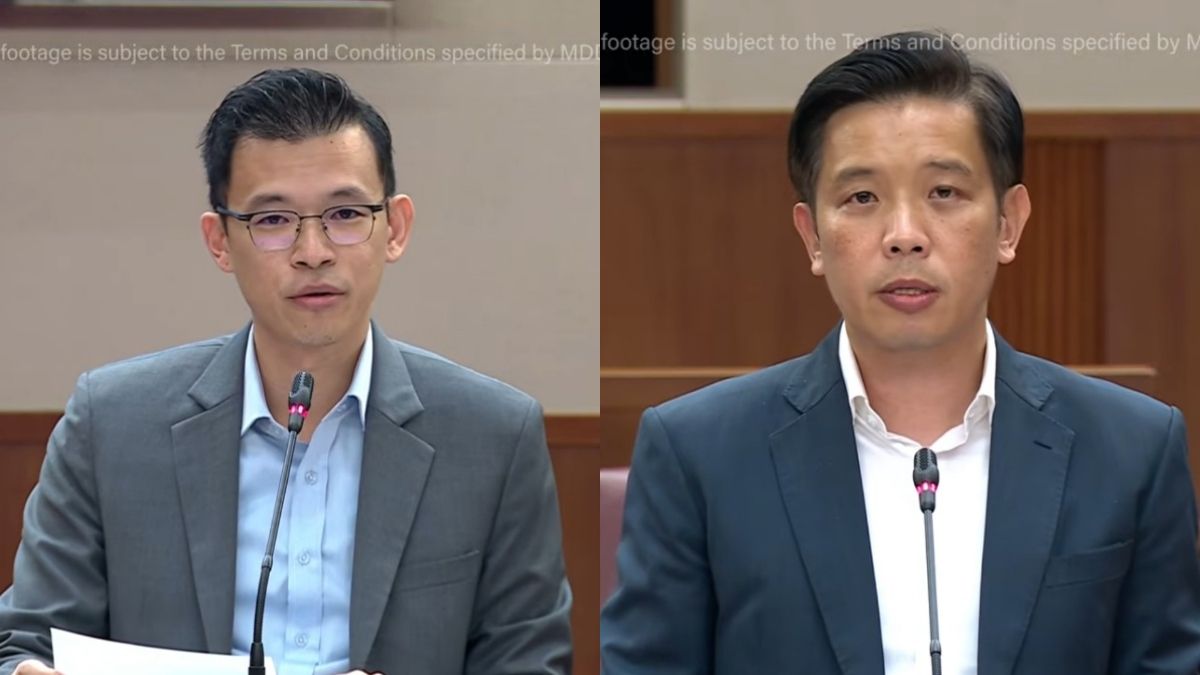
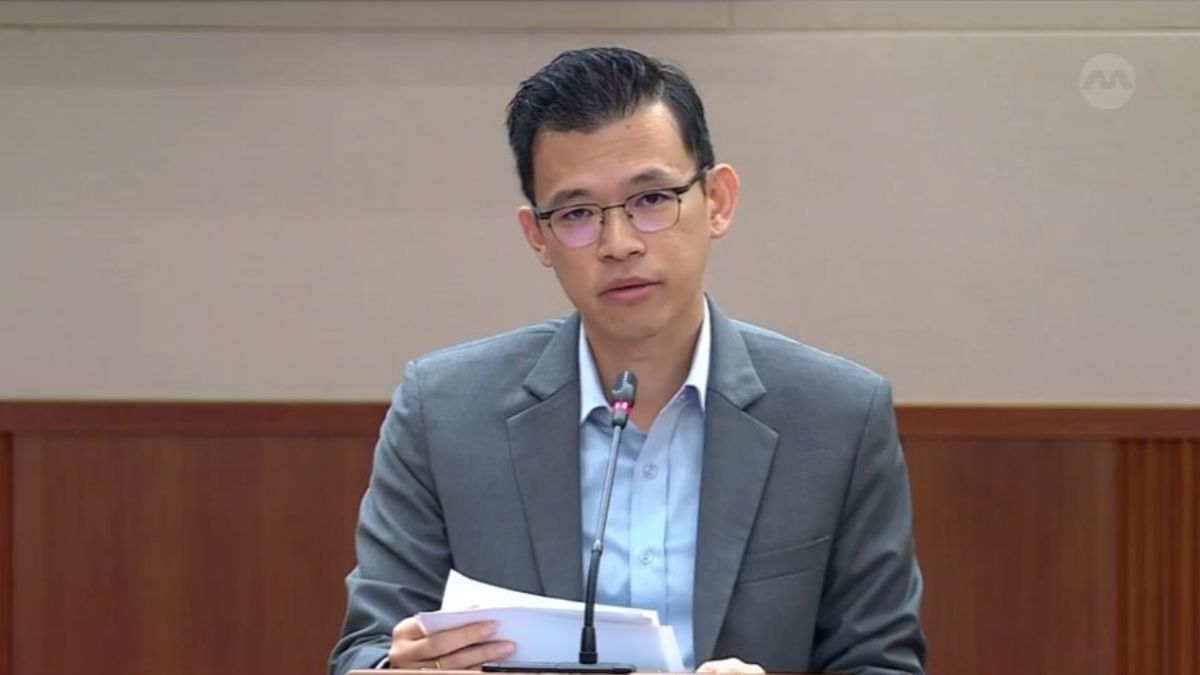
The reply, to a question originally filed for oral answer by Workers' Party MP Kenneth Tiong Boon Kiat (Aljunied GRC), addressed whether the Government assesses that Singapore needs continued frontier AI access, what strategy exists to secure such access against further US restrictions, and, if not needed, what alternatives and acceptable lag behind the frontier would be pursued.
The Minister replied that access to frontier models "is helpful for specific use cases, such as advanced research and cybersecurity," but that these applications "form a small proportion of AI demand," with capable models already available for most industry, government and research purposes.
The Minister maintained that access to frontier AI would continue to be "shaped not just by commercial considerations, but also export controls and geopolitics" for the foreseeable future, and that Singapore should "be realistic and focus on making the most of the considerable capabilities that remain accessible."
She added that the Government would "diversify and maintain access to a range of AI models through partnerships with multiple providers" to strengthen resilience against future disruptions of the kind seen in June 2026.
The question followed a fortnight of turbulence for Anthropic, which disabled Fable 5 and Mythos 5 for all users worldwide on 12 June 2026 after the US Commerce Department issued an export control directive citing national security concerns over a reported jailbreak method.
Anthropic said at the time that the vulnerabilities demonstrated were minor and discoverable through other publicly available models, and that it disagreed a narrow, non-universal jailbreak should warrant recalling a commercial model already deployed to hundreds of millions of users.
Access to Fable was restored on 1 July 2026 after Commerce Secretary Howard Lutnick said the company had "agreed to proactively detect and address security risks" and would work with Washington on protocols for future model releases, while Mythos 5 was released only to a limited set of vetted US organisations for defensive cybersecurity use.
Teo said Singapore would continue to engage international fora to advocate for "an AI ecosystem that is open" and would collaborate with partners on safety, security and responsible use, which she said would help "preserve flexibility to choose amongst available options to meet Singapore's AI needs."
The Minister did not provide a specific acceptable lag behind the frontier, framing the Government's approach instead around diversification and realism rather than a fixed capability benchmark.
Turning to the handling of government data in AI systems, WP MP Fadli Fawzi (Aljunied GRC) asked what updates, if any, had been made to strengthen rules governing the use of classified and unclassified government data in AI chatbots and platforms across the Public Service, against the backdrop of rapid AI development.
The Minister pointed back to a written reply given on 9 January 2024 to related questions from Dr Tan Wu Meng and Gerald Giam, saying the Government's "risk-calibrated approach to data security in AI systems" explained then "continues to apply today."
Under that approach, the Ministry mandates "technical and contractual safeguards commensurate with the classification and sensitivity of data involved," complemented by responsible use policies and governance processes practised by officers.
The Minister did not provide details of any new rules specific to classified versus unclassified data introduced since 2024, saying instead that the same underlying principles continue to be applied "to new use cases, tools and capabilities" as they emerge.
The Ministry reviews its rules and safeguards regularly, the Minister said, aiming to let agencies "harness AI to transform public service delivery while keeping Government data and systems secure."
No new specific safeguards, thresholds or review timelines were disclosed in the reply, which largely reaffirmed the framework set out more than two years earlier rather than announcing fresh measures in response to recent developments in frontier AI capability.