MOH does not track or publish data on seniors found dead alone at home: Ong Ye Kung
The Ministry of Health does not track or publish data on seniors who die alone at home and are only discovered later, In a Parliamentary reply, Health Minister Ong Ye Kung said the Government's priority is early intervention through community outreach and support for vulnerable seniors.
- MOH does not systematically track or publish data on seniors found dead alone at home.
- The Government prioritises outreach, community support and technology to assist vulnerable seniors.
- Recent undetected deaths have renewed concerns as Singapore becomes a super-aged society.

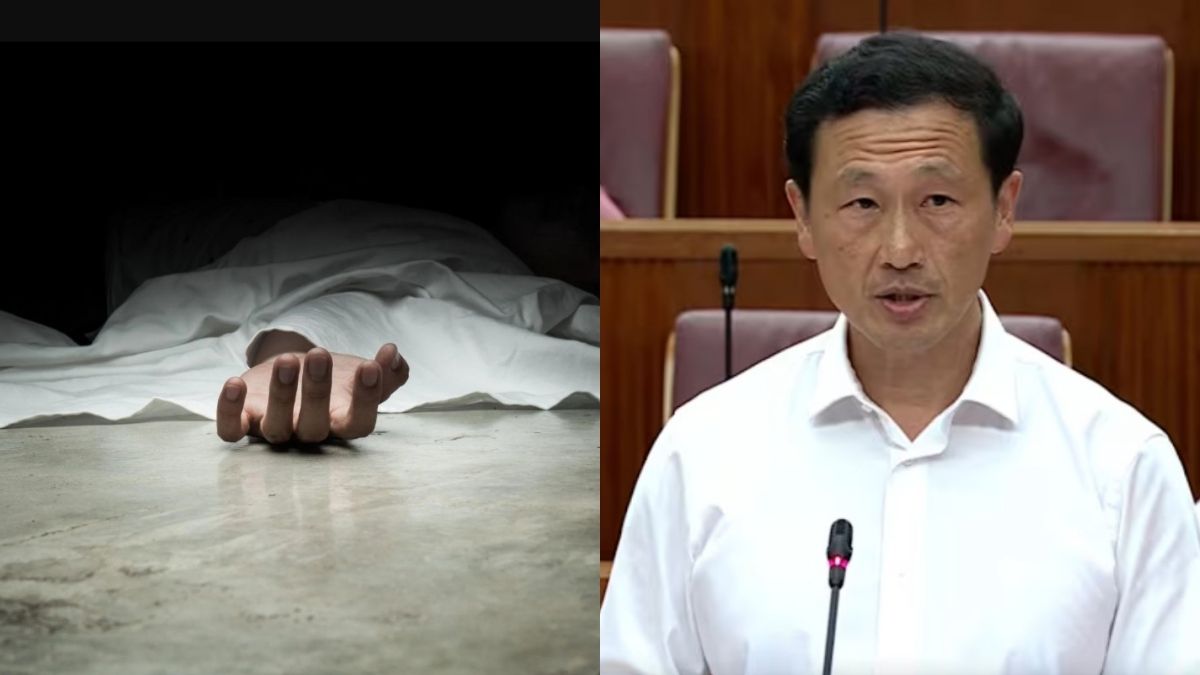
The Ministry of Health (MOH) does not systematically track or publish the number of seniors who die alone at home and are only discovered days later, Coordinating Minister for Social Policies and Minister for Health Ong Ye Kung said in a written Parliamentary reply.
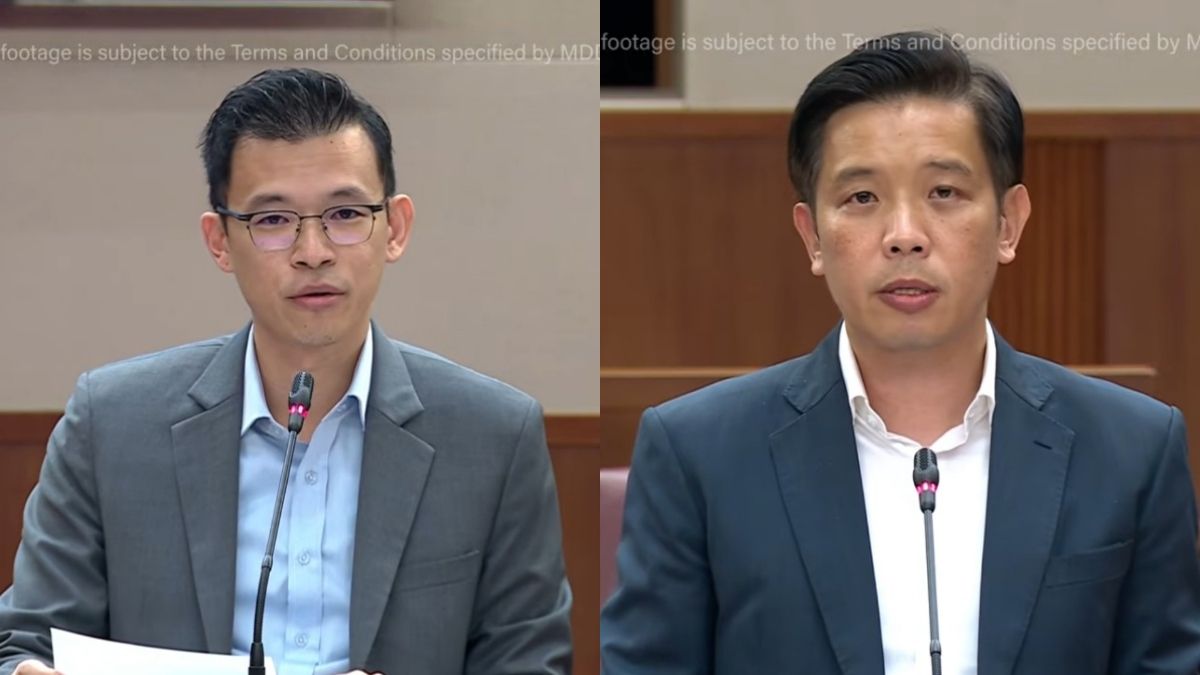
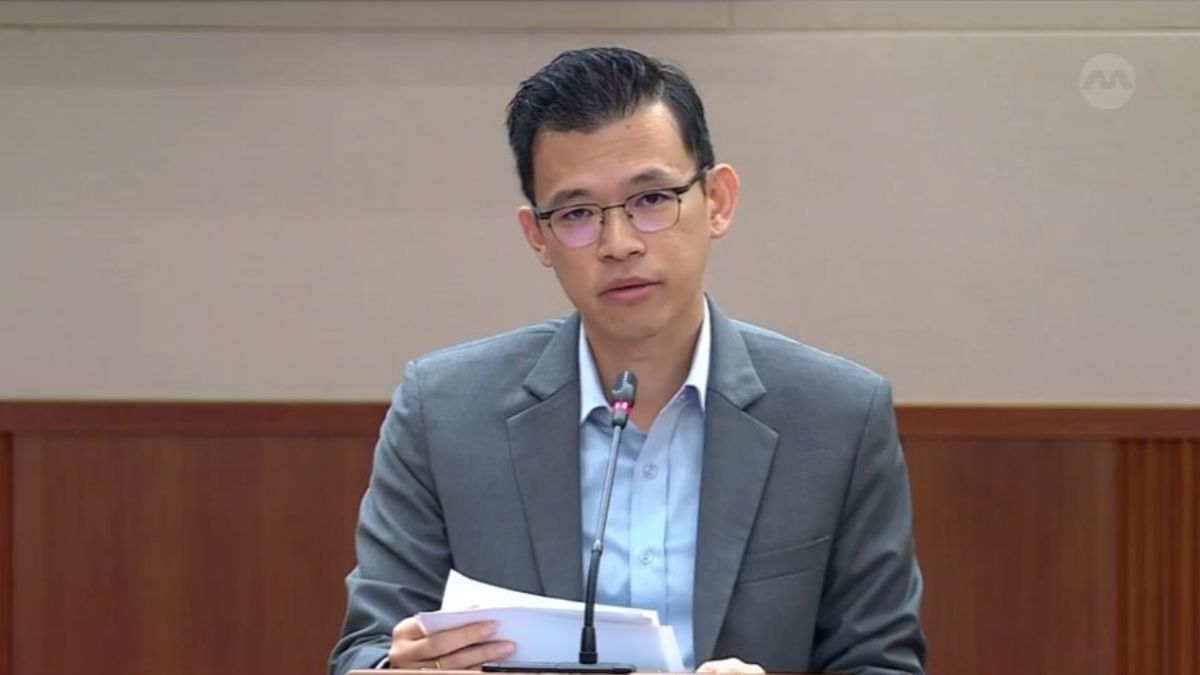
Responding to separate Parliamentary Questions from Workers' Party MP Fadli Fawzi and Nominated MP Dr Neo Kok Beng, Ong said the ministry's priority is preventing such situations by identifying and supporting vulnerable seniors before crises occur.
Community outreach remains priority
Fadli had asked whether the Government would begin tracking and publishing the number of seniors whose deaths were only detected days after they had passed away at home, and if not, why.
Dr Neo asked whether, following recent cases involving senior singles dying undetected in their homes, MOH would consider partnering with social organisations to develop, pilot or subsidise small home robots to monitor the wellbeing of seniors living alone.
In response, Ong said, "MOH's focus is upstream – to reach out to as many seniors as we can and provide support to those who are vulnerable, such as referring them to Active Ageing Centres."
He added that the Silver Generation Office under the Agency for Integrated Care systematically conducts outreach to identify seniors who may be at risk.
Ong also said neighbours, community groups and grassroots organisations can play an important role by keeping a lookout for vulnerable seniors and providing support where needed.
Technology to support seniors living alone
Ong said the Government has also expanded the use of technology to help seniors who live alone.
He noted that the Housing and Development Board has been progressively extending its wireless Alert Alarm System to seniors living in public rental blocks, allowing them to call for assistance during emergencies.
He added that MOH rolled out its enhanced Home Personal Care service nationwide in April 2026.
Under the scheme, eligible seniors may subscribe to a 24-hour monitoring and response system capable of detecting falls and providing timely assistance.
Renewed attention on lonely deaths
Recent cases involving elderly residents found dead inside their homes after living alone have renewed public concern over "lonely deaths" as Singapore became a super-aged society in 2026, with more than 20 per cent of its population aged 65 and above.
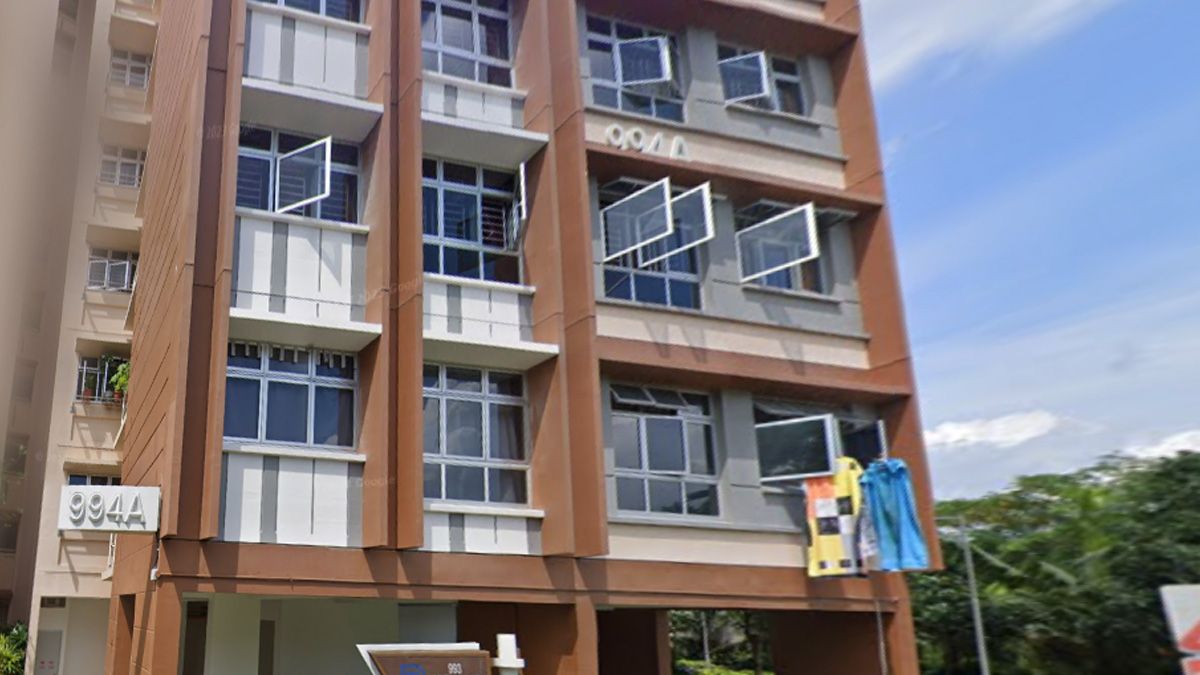
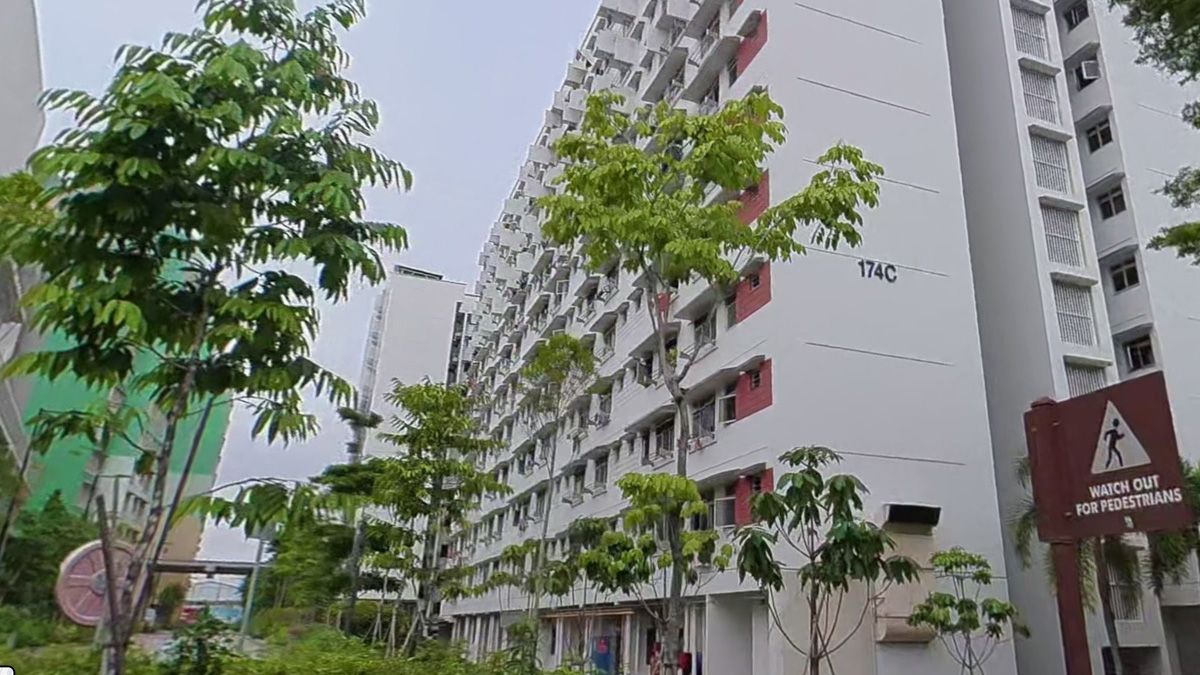
On 5 July, an elderly man was found dead after neighbours alerted the authorities over a worsening foul odour and a buildup of uncollected newspapers outside his flat.
Earlier in June, a 73-year-old man in Buangkok and two elderly residents in separate Housing Board flats in Bedok and Ang Mo Kio were also found dead after employers or neighbours raised the alarm.
Figures compiled by social service group Loving Heart from media reports and online sources, including Death Kopitiam Singapore, indicate that at least 33 seniors died undetected in 2025, compared with at least 42 cases in 2024.
This is not the first time the issue has been raised in Parliament.
In a parliamentary reply in 2025, Ong had similarly said that MOH does not systematically track such deaths.
In October 2025, Ong said there were about 87,000 residents aged 65 and above living alone in 2024, representing a 50 per cent increase from 58,000 in 2018.