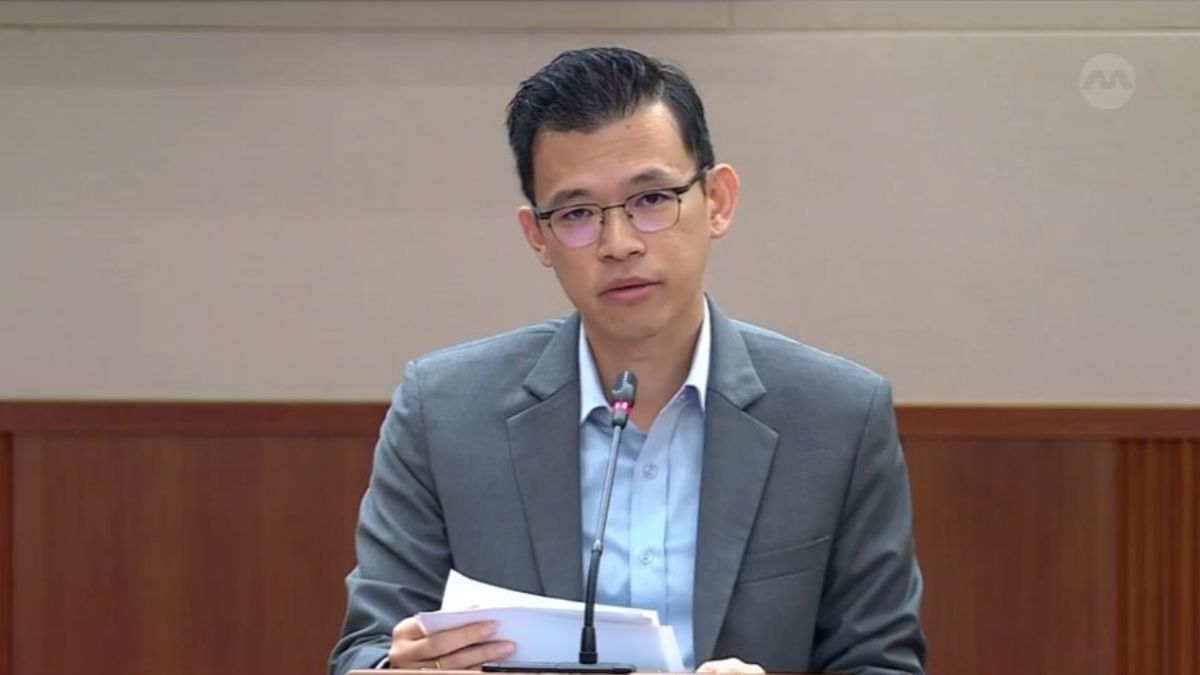
Singapore engaging USTR to guard against SAF tariffs, says Gan Kim Yong
Deputy Prime Minister and Minister for Trade and Industry Gan Kim Yong said Singapore has "constructively engaged" the US Trade Representative to explain its biofuel policies do not distort market forces, after a US industry group alleged structural excess capacity in Singapore's renewable fuel sector.
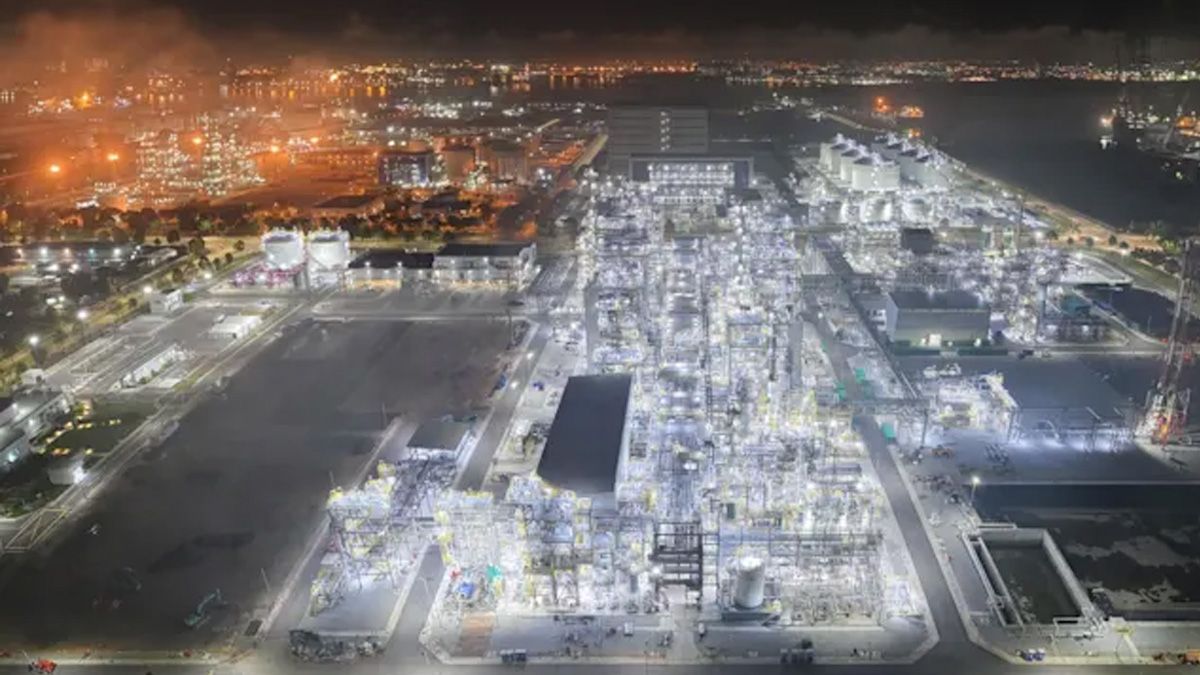

Singapore has been engaging the United States Trade Representative (USTR) to argue that its economic policies are "carefully designed not to distort market forces," Deputy Prime Minister and Minister for Trade and Industry Gan Kim Yong said in a written reply to Parliament on 7 July 2026.
The reply followed allegations by a US biofuel industry group that Singapore's renewable fuel production carries "structural excess capacity" that threatens American producers.
The written reply was in response to a question filed by Workers' Party MP Dennis Tan Lip Fong (Hougang SMC), who asked the Ministry to assess the impact of testimony given by Clean Fuel Alliance America (CFAA) to the USTR on 8 May 2026, and to detail what diplomatic and trade engagements were under way to prevent retaliatory tariffs on Singapore-produced sustainable aviation fuel (SAF).
Gan explained that the CFAA testimony was delivered at a public hearing held as part of a USTR investigation under Section 301 of the Trade Act of 1974. That investigation examines the acts, policies and practices of 16 economies, including Singapore, in relation to structural excess capacity and production across various manufacturing sectors.
The CFAA, a US trade association, had alleged that overcapacity in the biofuels industries of Finland, Singapore and the Netherlands threatened US producers.
Addressing the substance of the allegation, the Minister stated plainly that "Singapore does not subsidise the cost of biofuel production."
He added that Singapore's production capacity and exports of biofuels are demand driven, with producers pricing their products based on global commodity prices, feedstock costs, and prevailing market conditions.
Gan further noted that "as a small and open economy, our manufacturing output cannot depend solely on domestic demand and would also need to serve the needs of overseas markets."
On the question of impact, the Minister declined to speculate. He stated: "We should not speculate on the potential impact of the CFAA's testimony on the USTR's investigation, which is still ongoing." This formulation left open the possibility of tariff action while stopping short of any assessment of likelihood or scale.
On the diplomatic front, Gan said Singapore "has constructively engaged the USTR throughout this process and highlighted that our economic policies are carefully designed not to distort market forces," adding that engagement "will continue... as necessary."
The Minister did not provide the requested details of specific diplomatic and trade engagements sought by Tan, offering only this general characterisation of ongoing contact with the USTR rather than a description of particular meetings, submissions or channels used.
The hearing record that prompted the parliamentary question offers further context on the scope of the USTR's Section 301 inquiry.
According to testimony presented that day, the investigation spans multiple manufacturing sectors beyond biofuels, with witnesses in the same hearing also urging the USTR to impose Section 301 measures on wood mouldings and millwork imports from the countries under investigation, citing similar excess-capacity concerns.
On the biofuels question specifically, testimony detailed developments in two of the three countries named alongside Singapore. Finland was said to have "enacted cuts to their national biofuel mandates for 2025 through 2027," a move expected to reduce domestic consumption and push Finnish producers toward greater exports, including renewable diesel and SAF, to the US market.
In the Netherlands, Rotterdam was described as home to "Europe's largest renewal products refinery," which is undergoing an expansion to boost total renewable product capacity to 2.7 million tons per year, of which 1.2 million tons would be devoted to sustainable aviation fuel.
The hearing also touched on the environmental dimension of the excess-capacity debate. Catrina Rorke of the Climate Leadership Council told the panel that her organisation's work on trade dynamics and excess capacity focused mainly on energy-intensive, trade-exposed manufacturers producing fungible commodities, where "we find drastically different environmental performance across manufacturers... geographically bound."
She said the group had developed "a pretty robust literature on pollution advantages for American manufacturers," pointing to differences in pollution intensity across commodity manufacturing sectors, though her testimony was not specific to Singapore or to biofuels alone.
Gan's reply stopped short of addressing these broader arguments directly, focusing instead on rebutting the subsidy allegation and reiterating Singapore's market-based approach.