MOM: 4,200 resident PMETs aged 45–59 retrenched in 2025 as re-employment rate remains stable
Around 4,200 resident PMETs aged 45 to 59 were retrenched in 2025, up from previous years, while their six-month re-employment rate remained broadly stable, according to the Ministry of Manpower. Around one in five qualified for the SkillsFuture Jobseeker Support Scheme.
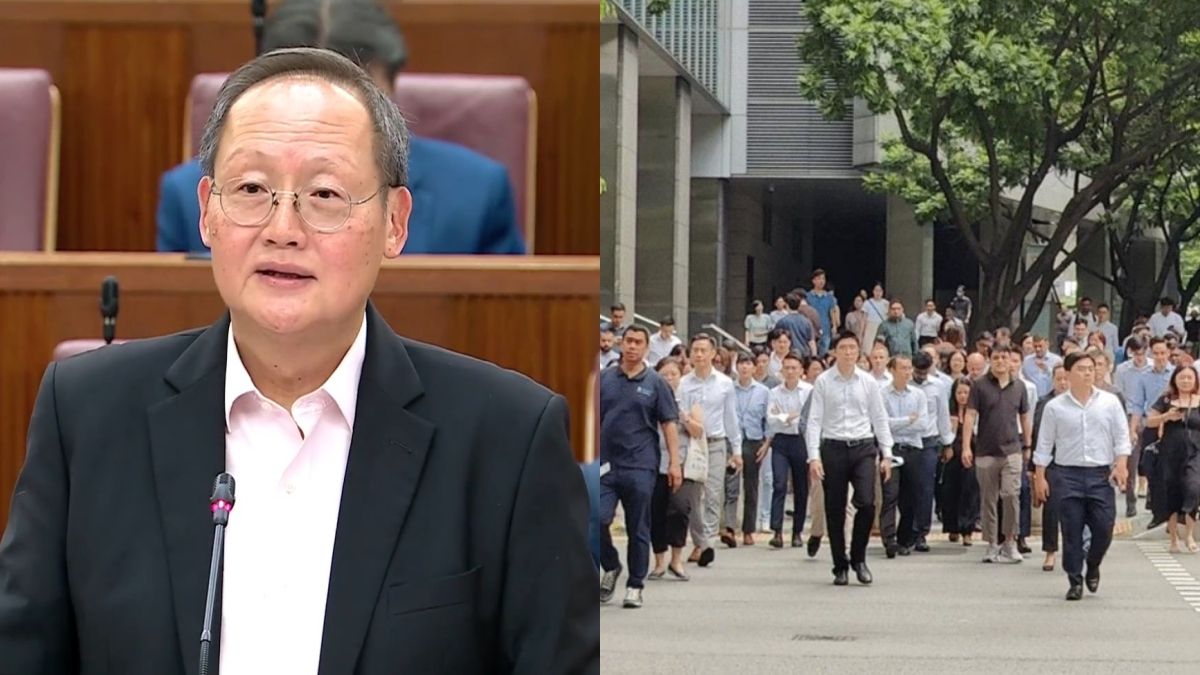
- Around 4,200 resident PMETs aged 45 to 59 were retrenched in 2025, up from 2024 and 2023.
- The group's six-month re-employment rate remained broadly stable at 48.5 per cent.
- Most older workers who secured new jobs entered similar-skilled roles, with over half earning comparable or higher wages.

SINGAPORE: Around 4,200 resident Professionals, Managers, Executives and Technicians (PMETs) aged 45 to 59 were retrenched in 2025, marking an increase from 3,200 in 2024 and 3,500 in 2023, according to the Ministry of Manpower (MOM).
Despite the rise in retrenchments, the group's six-month re-entry into employment remained relatively stable at 48.5 per cent in 2025, compared with 48.9 per cent in 2024 and 50.1 per cent in 2023.
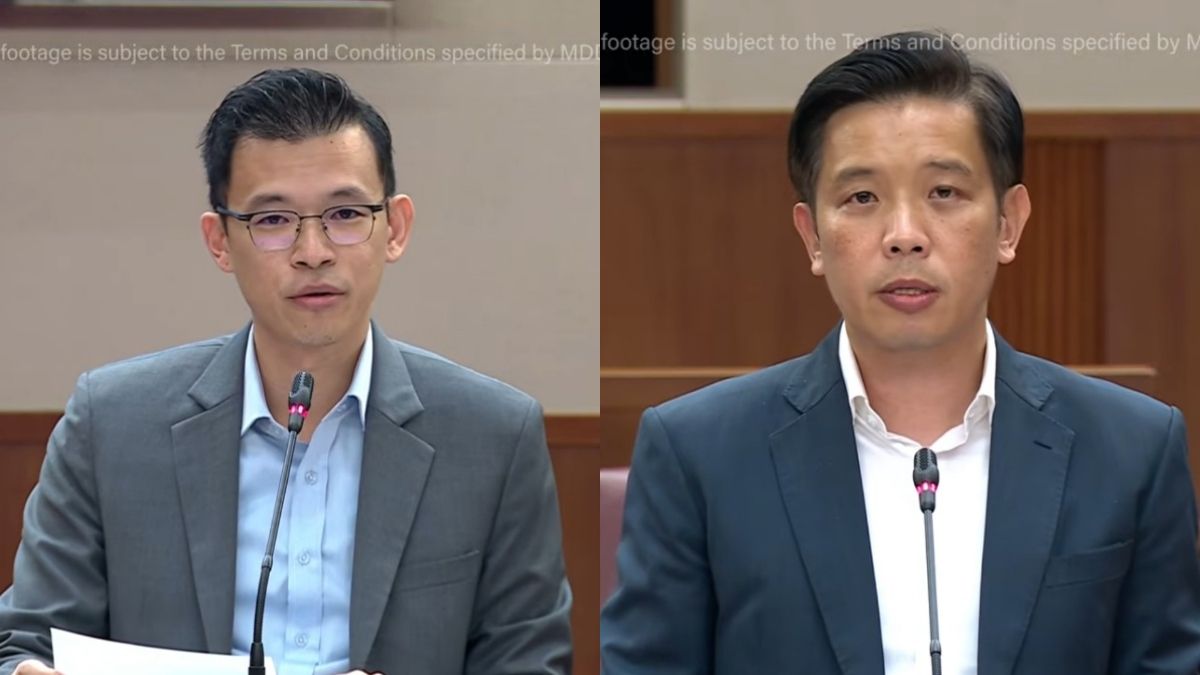
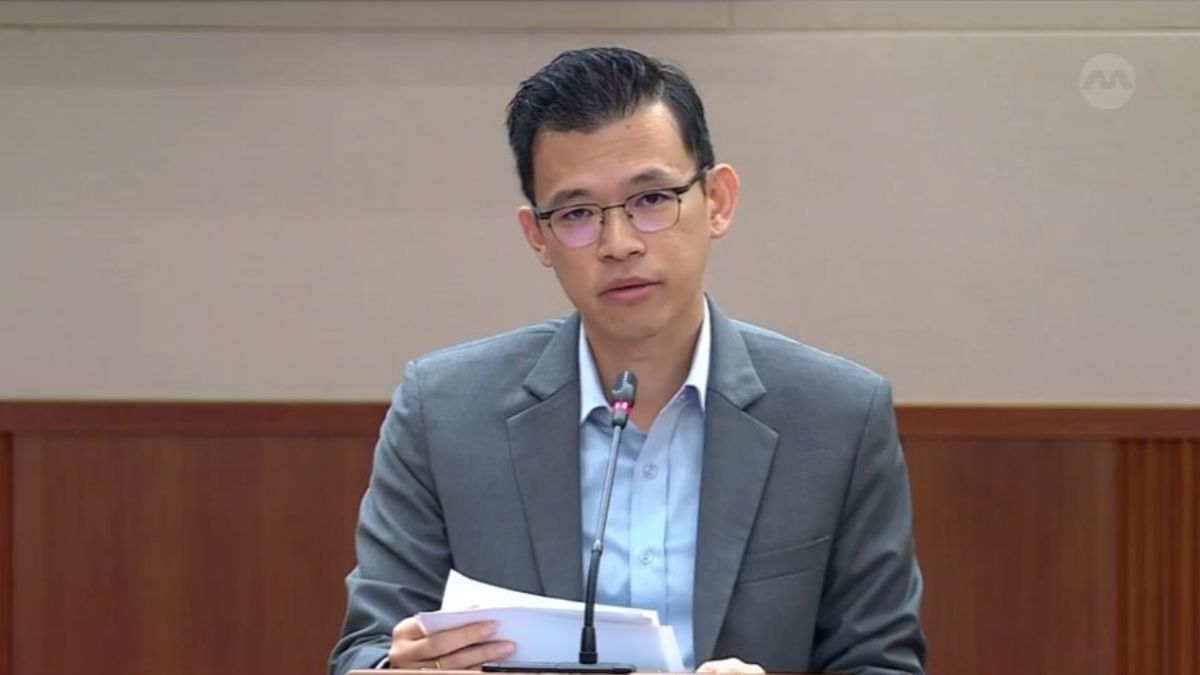
The figures were disclosed by Manpower Minister Dr Tan See Leng in a written parliamentary reply on 7 July 2026 to Workers' Party MP Abdul Muhaimin Abdul Malik.
The Sengkang MP had asked for data on the number of retrenched resident PMETs aged 45 to 59 over the past three years and their six-month re-employment rates.
He also sought information on what proportion of the group qualified for the SkillsFuture Jobseeker Support Scheme, noting that many earned above the scheme's S$5,000 monthly income ceiling before being retrenched.
SkillsFuture support targets lower- and middle-income workers
Responding to the question, Dr Tan said the SkillsFuture Jobseeker Support Scheme was designed to help involuntarily unemployed individuals cope with immediate financial pressures without feeling compelled to accept unsuitable employment.
"It is therefore targeted at lower- to middle-income individuals," he said.
Dr Tan said around 20 per cent of retrenched resident PMETs aged 45 to 59 qualified for the scheme in both 2023 and 2024.
Data for the 2025 retrenched cohort is not yet available, he added.
Older retrenched workers largely re-employed in similar-skilled roles
In a separate parliamentary question, West Coast–Jurong West GRC MP Cassandra Lee asked whether MOM could provide a breakdown of retrenchments by sector and occupation following the increase in retrenchments among residents aged 50 to 59 during the first quarter of 2026.
She also asked whether the ministry tracks whether older retrenched workers secure re-employment at comparable wages and seniority.
Dr Tan said the profile of retrenched residents aged 50 to 59 in the first quarter of 2026 was broadly similar to that of all retrenched residents.
The group consisted predominantly of PMETs and was mainly employed in the Wholesale and Retail Trade, Manufacturing, Financial and Insurance Services, and Professional Services sectors.
Among residents aged 50 to 59, the re-entry rate into employment reached 51.8 per cent within six months of retrenchment and rose to 63.2 per cent after 12 months.
Of those who found new jobs, around eight in 10 entered occupations requiring similar or higher skill levels, while more than half secured full-time positions offering similar or higher wages.
Singapore retrenchments rise to 3,830 in 1Q2026 as restructuring hits degree holders and PMETs
Dr Tan's responses came a month after MOM released its latest Labour Market Report in June, which showed retrenchments increased during the first quarter of 2026 as companies continued restructuring amid global economic uncertainty.
A total of 3,830 employees were retrenched between January and March, up from 3,690 in the previous quarter.
MOM said retrenchment levels remained within non-recessionary norms despite the increase.
The rise was concentrated in outward-oriented sectors exposed to global economic conditions, particularly Manufacturing, Financial Services and Professional Services.
Business reorganisation and restructuring remained the primary driver of layoffs, accounting for 73.8 per cent of retrenchments.
By comparison, only 9.3 per cent of retrenchments were attributed to cost-cutting measures.
PMETs accounted for 3,320 of the 3,830 workers retrenched during the quarter, with degree holders among those most affected.
Despite the increase in layoffs, Singapore's labour market remained resilient. Total employment expanded by 9,400 during the quarter, unemployment stayed low, and the re-employment rate among retrenched residents improved to 60.7 per cent.